FIAT MONEY
1
/
7
DEFINITION
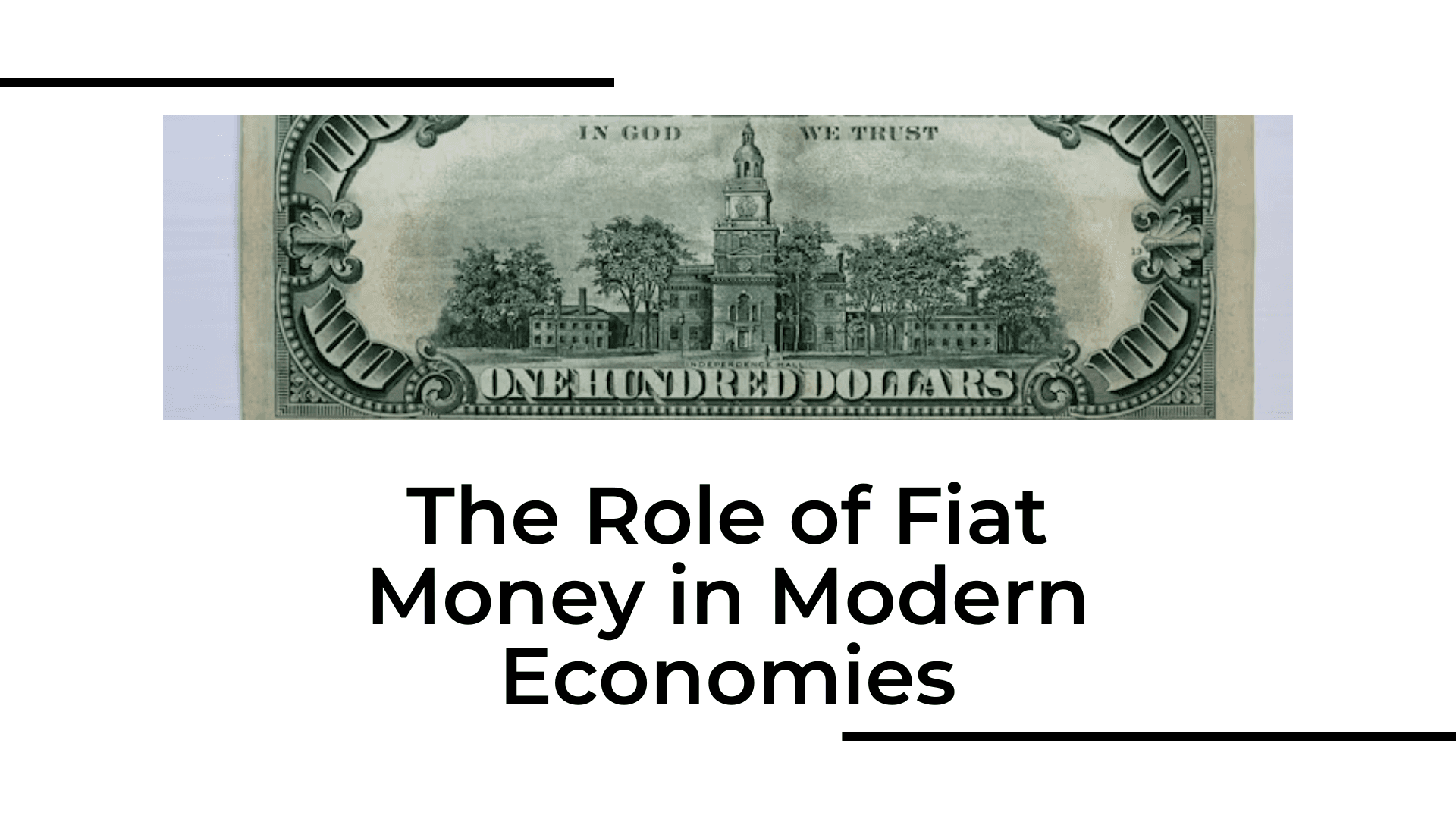
Fiat or fiduciary money is a currency issued by the government. The value of fiat money is determined by the relationship between supply and demand and the stability of the issuing government, not by the value of the commodities that back it. Most modern currencies are fiat currencies, including the US dollar, the euro, and other major world currencies.
Unlike traditional commodity-backed currencies, fiat currency cannot be converted or redeemed. It is inherently useless and is used by government decree. For a fiat currency to be successful, the government must protect it from counterfeiting and manage the money supply responsibly.
ADVANTAGES OF FIAT CURRENCIES
Fiat money is great as long as it performs the functions that a national economy requires of its currency: store value, provide a numerical account, and facilitate exchange. It also has excellent seigniorage, which means it is more profitable than a coin directly tied to a commodity.
Fiat currencies rose to prominence in the 20th century in part because governments and central banks sought to insulate their economies from the worst effects of the natural booms and busts of the business cycle.
Because fiat money is not a scarce or fixed resource like gold, central banks have much more control over its supply, allowing them to control economic variables such as the supply of credit, liquidity, interest rates, and the speed of money For example, the US Federal Reserve has the dual mandate of keeping unemployment and inflation low.
DISADVANTAGES OF FIAT CURRENCIES
Since fiat money is not tied to tangible assets, its value is subject to responsible fiscal policy and government regulation. Irresponsible monetary policy can lead to inflation and even hyperinflation of a fiat currency.
On top of that, there is more room for fiat currency bubbles: an economic cycle in which there is a rapid rise before an equally rapid fall in price. The risk of bubbles is high because fiat currencies have a virtually unlimited supply, which means that governments can apply quantitative easing. While quantitative easing helps stimulate the economy, it can also trigger an increase in the inflation rate. Rising price pressures can affect everything from the housing market to government debt levels and financial markets.
NEXT